Market Entry in Germany
First, the market;
then, build the organization.
As your Fractional Business Development Manager, I help Canadian B2B companies build the German market on the ground — before you commit to the fixed cost of a legal entity, a management layer and local infrastructure.
Setting up your own operation in Germany can run to €250,000–300,000 in the first year — roughly CAD 375,000–450,000 — before you know whether your product, your pricing and your business model actually hold up here.
I take a different route. We identify your target customers, get in front of them, and gather real market feedback until you have a pipeline worth building on. You hear what the market says before you commit to a German entity, a country manager and everything that comes with them.
AFTER THE ANALYSIS
From market research to work on the ground
Chambers of commerce, industry associations, trade agencies and specialist consultants can give you solid market data and a sense of direction.
But once the analysis is done, the real work starts — and it happens on the ground.
- Who identifies the right target customers?
- Who approaches the decision-makers?
- Who keeps the conversation going after a trade show?
- Who moves an opportunity forward over six or nine months?
- Who represents you in Germany when your team is an ocean away?
That gap is where I come in..
I am your business development manager in Germany — turning market potential into named contacts, live opportunities and a pipeline that holds up.
Network and representation
Anyone who takes a market seriously is on the ground
Countries maintain representative offices in their key markets because relationships require proximity. The same applies to companies. Anyone who wants to do business in Germany needs someone on the ground there.
I’ll take care of that for you. I represent your interests in day-to-day business in Germany and serve as the local point of contact for customers, partners, and industry associations.
This requires a network that extends beyond one’s own desk. I’ve built mine over the years—in the capital goods industry and in the construction, construction equipment, and agricultural machinery markets, as well as in German-Canadian economic relations.
- German-Canadian Association (Deutsch-Kanadische Gesellschaft)
- Canadian German Chamber of Industry and Commerce (AHK Canada), Toronto
- Embassy of Canada, Berlin
- Hamburg Chamber of Commerce, International Business Development
- Hamburg Invest
- Brandenburg Ministry of Economic Affairs, Energy, Climate Protection and European Affairs
- VDBUM, ZDB, bbi – Trade associations in the construction and construction equipment industry
What that means for you: when a question comes up that I can't answer myself, I know who can. And when a conversation needs to happen at a different level, I know how to get there.
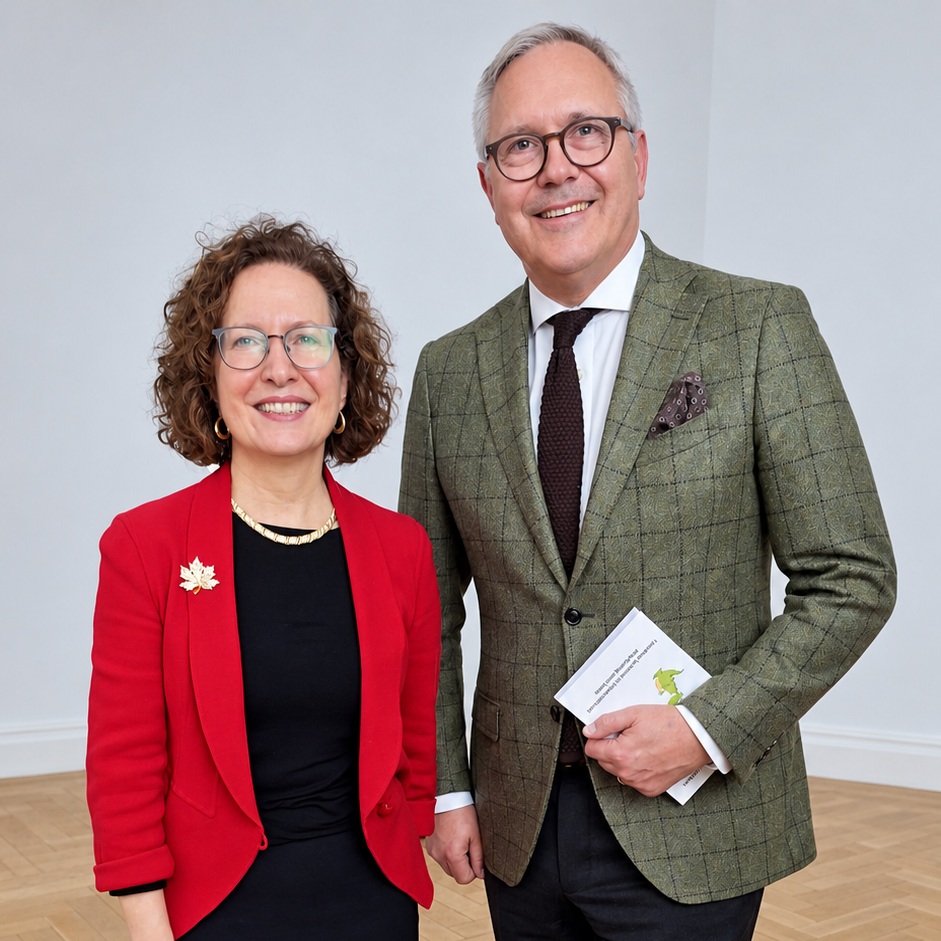
New Year's reception of the German-Canadian Association — with Vera Alexander, Canada's Ambassador to Germany
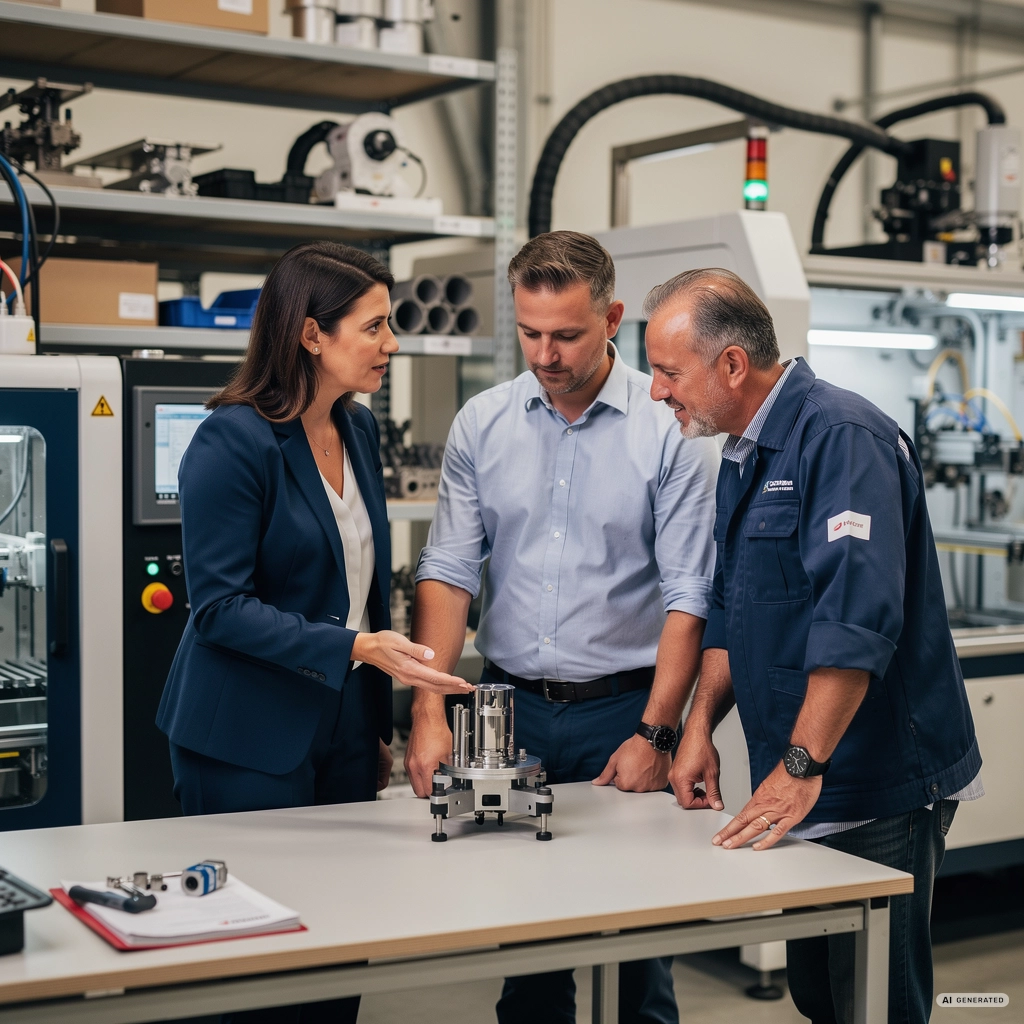
8 services
From market entry to lasting market presence
My job goes beyond lead generation. I help Canadian B2B companies earn credibility in the German market, develop opportunities that are worth pursuing, and turn those into customer and partner relationships that last.
Eight ways I help you succeed in Germany
01
Plan the market entry
Set priorities, target sectors and the route to market
02
Identify target customers and decision-makers
Select the companies worth pursuing and find the right people inside them
03
Open the first conversations
Approach decision-makers, prepare meetings and sit in on the first calls
04
Develop sales opportunities
Qualify, advance and follow up consistently
05
Represent you on the ground
Maintain customer relationships and be available as the local contact
06
Build partner and sales structures
Identify and develop suitable sales partners, distributors, and opinion leaders
07
Build visibility and an industry network
Make targeted use of trade media, associations, trade shows and conferences
08
Connect Canada and Germany
Coordinate customer requirements, technical questions and sales activity with your team at home
Cultural and commercial adaptation
A good product still has to make sense to a German buyer
A value proposition that works in Canada doesn't transfer one to one. German B2B buying decisions lean harder on reliability, technical precision, compliance, documented quality, references and long-term supply. So this is not a language exercise. It is a strategic and cultural translation of your offer into the German market.
- Adapt the value proposition to German expectations
- Rework the company and product story
- Sharpen the sales narrative and the presentations
- Frame Canadian references and case studies for a German audience
- Adjust customer outreach and sales messaging
- Account for cultural differences in communication and decision-making
It isn't only the language that has to fit. It's the logic German customers decide by.
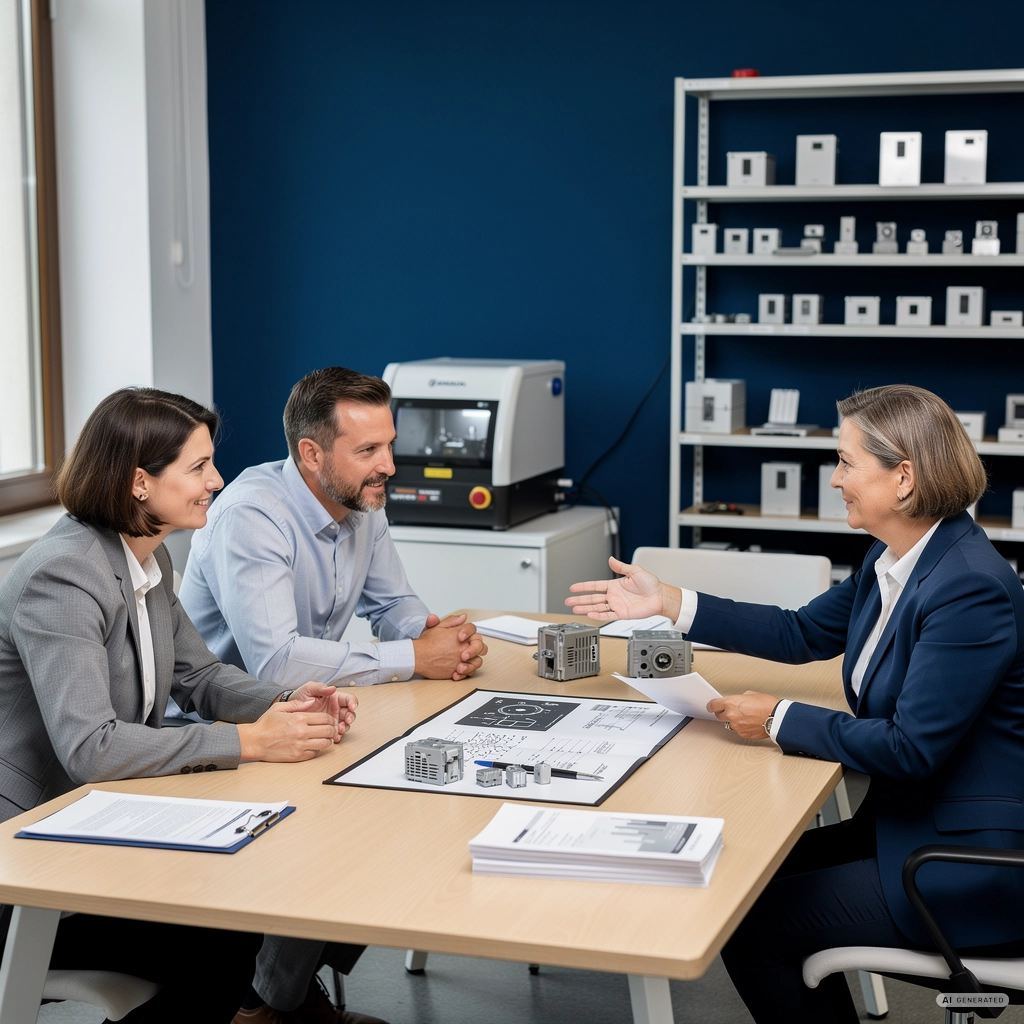
Visibility and market presence
Trust is built by being visible and being there
A new company must first establish its visibility and credibility in the German market. For international providers in particular, it is not enough to simply reach out to potential customers directly. It is also crucial to have a presence where the industry, decision-makers, and opinion leaders gather information and exchange ideas.
01
Presence in the relevant trade media
02
LinkedIn and digital industry communication
03
Identifying the right industry platforms
04
Building relationships with industry associations and opinion leaders
05
Representing you at trade shows, conferences and industry events
06
Building a durable industry network
07
Developing your first local reference customers
The goal: turn an unknown foreign supplier into a visible, credible player in the market.
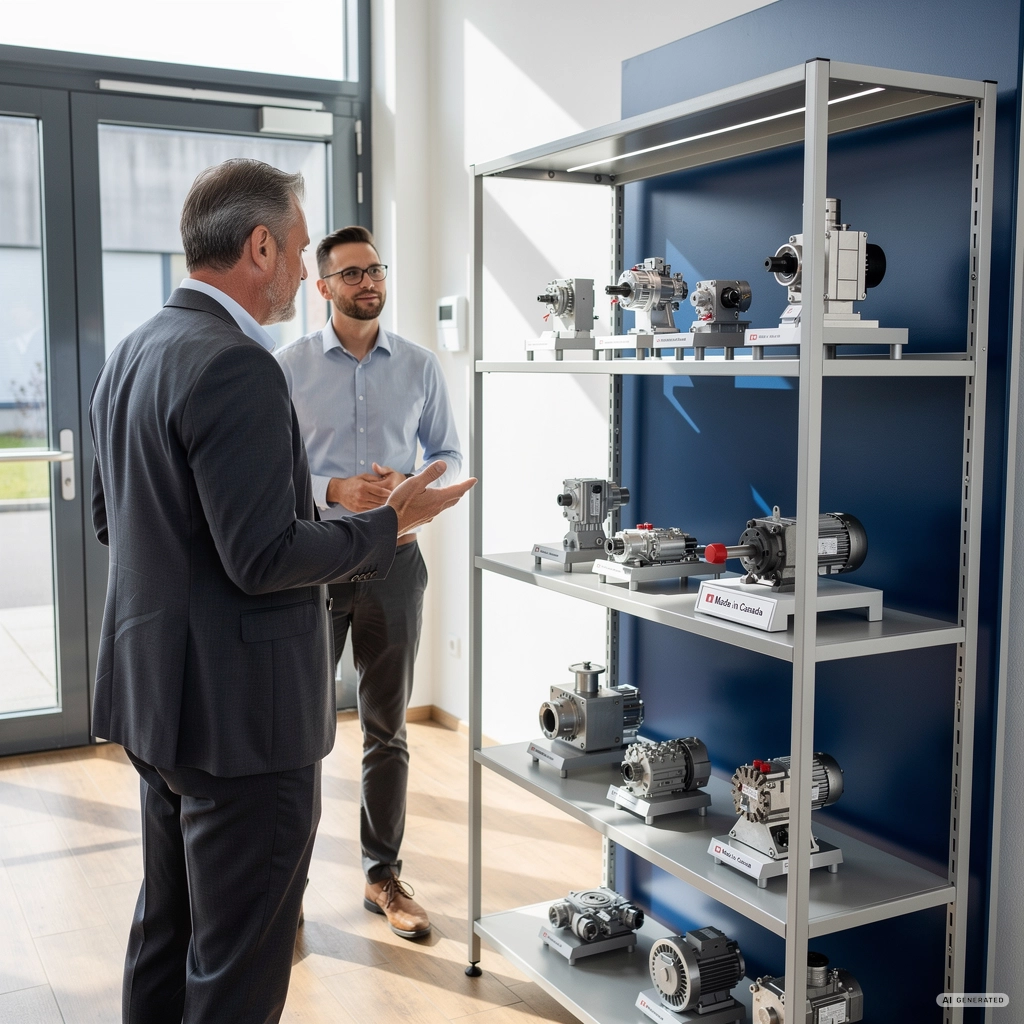
TECHNICAL PRODUCTS / who does what
You bring the product expertise.
I bring the market access.
With complex technical products, the depth sits with the manufacturer. My job is to open the market, identify the right customers, get conversations started at decision-maker level and develop the commercial relationship from there.
As soon as technical detail becomes decisive, I bring your specialists into the process.
This is how we connect:
So we combine your product and technology expertise combined with my experience in business development, my market access, and my presence in Germany.
That makes the division of labour clear. I develop the market and the opportunities; your team supplies the technical depth.
Why local presence matters
B2B sales in Germany take time
In many German B2B and industrial markets, several months pass between first contact and a purchase decision. With complex technical products it can take considerably longer.
So a successful market entry takes more than one trade show, a few presentations and the occasional video call. Opportunities have to be moved forward continuously, and relationships kept warm over months.
That means:
- consistent follow-up
- regular customer meetings
- maintaining the relationships that matter
- coordination with sales and engineering in Canada
- support through the decision process
- continuous presence in the market
Local continuity is often the difference between initial interest and an actual order.

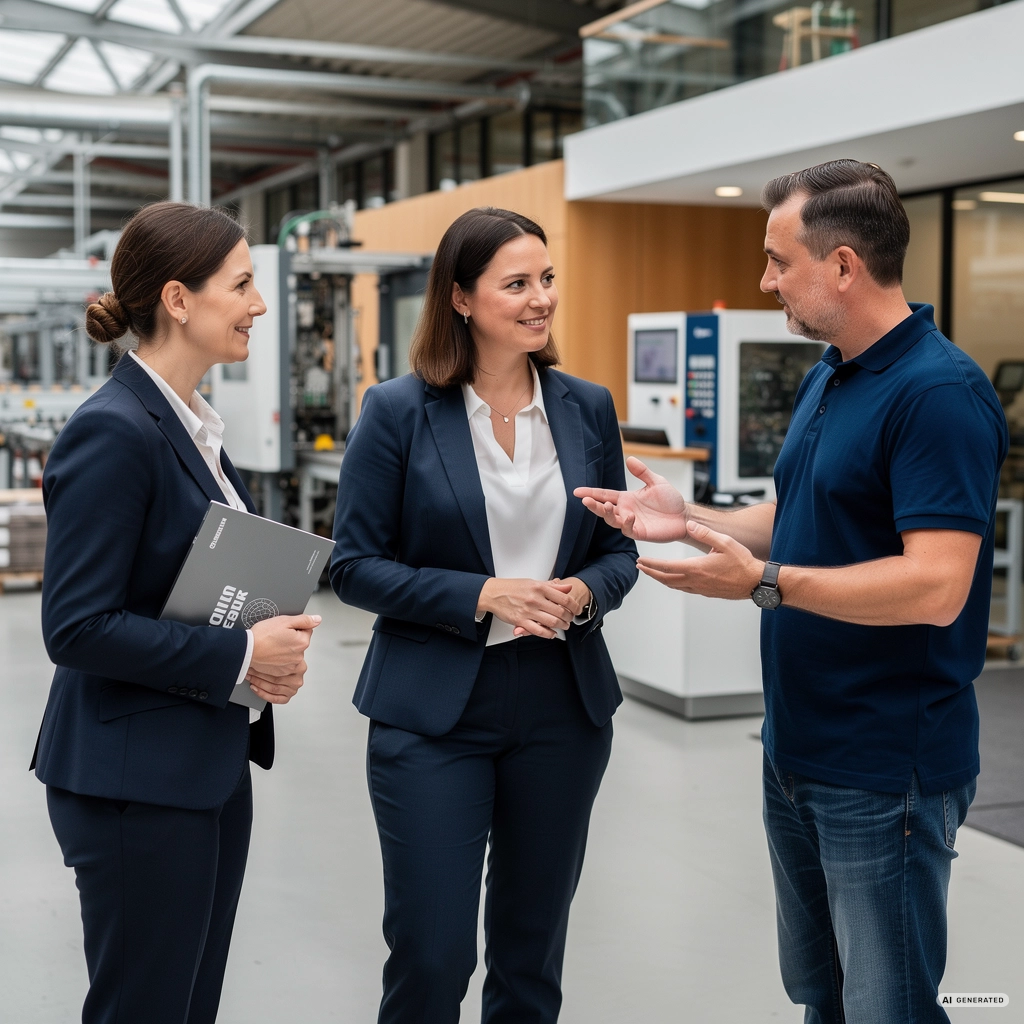
The commercial case
Local presence without the fixed cost of your own organization
A country manager, a legal entity, local infrastructure, travel, administration and marketing add up to serious fixed cost — before you know how the German market actually responds. A fractional model gives you a leaner way in. You get:
- local business development capacity
- access to customers and decision-makers
- direct market feedback
- continuous presence on the ground
- a pipeline you can build on
without having to build a full German sales organization first.
Lower fixed cost. Lower risk. Faster learning in the market.
Contact
Want to find out what the German market is worth to you?
Let's talk about your product, your target customers and your plans for Germany. In a first conversation we'll look at where the opportunities are, what the obstacles look like, and which route into the market makes sense for you.
No cost, no obligation.Approx.
30 minutes · About 30 minutes · By video or phone
 CONTACT
michael.radwe@mira-projekt.com
 LINKEDIN
Michael Radwe's Profile
 NETWORK
German-Canadian Society
VDBUM
 RESPONSE TIME
Response within 24 hours
How we start
A practical way into the German market
It starts with an informal conversation about your product, your target customers and your goals in Germany. Together we work out where the biggest opportunities are and which questions need answering before you commit.
Then we agree on one clearly defined first step — validating target customers, running the first market conversations, or building an initial pipeline.
You don't commit to a full market organization up front. You start with a limited, clearly defined mandate.
01
Market Entry Assessment
Together we assess market potential, target segments, competition, positioning and the right routes to market.
Result:
A clear market entry plan you can actually execute.
02
90-Day Market Entry Sprint
We identify target customers, tailor the sales pitch, reach out to relevant decision-makers, and initiate initial customer discussions.
Result:
Real market feedback, first meetings and qualified opportunities.
03
Fractional Business Development
I stay with the market, develop customer relationships and carry opportunities through the longer sales cycle.
Result:
Growing market presence, a solid pipeline and your first customers — without building a German organization first.
Who this is for
For Canadian small and mid-sized B2B companies
The model is built for Canadian SMEs that want to open up the German market but don't yet have a sales organization on the ground.
It fits companies that:
- see growth potential in Germany or the wider DACH region
- want to validate the market before committing
- do not yet wish to hire their own country manager
- sell technical B2B products, technologies or industrial solutions
- need access to customers and decision-makers
- want hands-on support in the market before larger investments follow